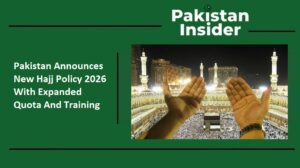
Pakistan Announces New Hajj Policy 2026 With Expanded Quota And Training
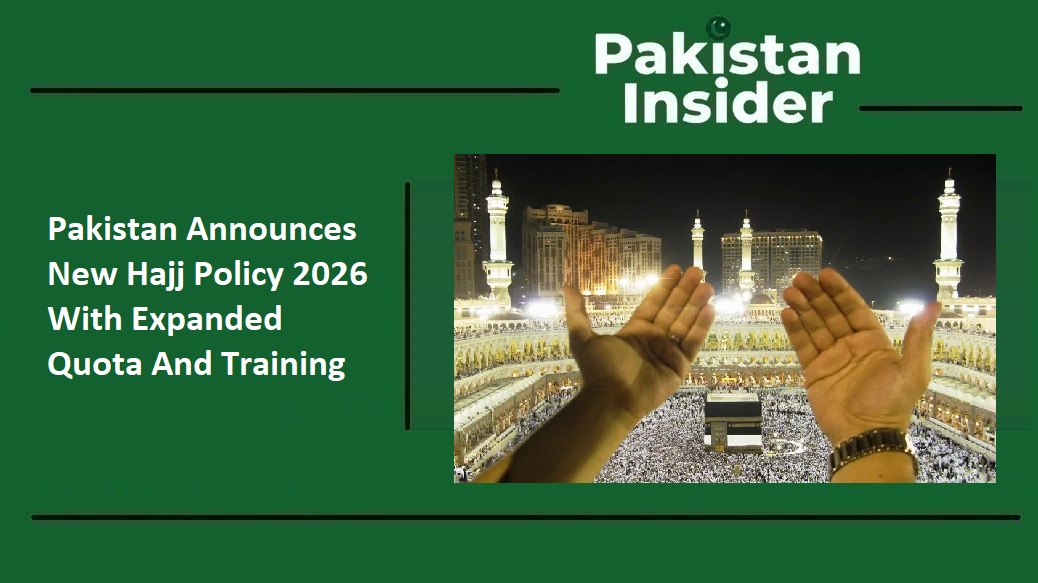
The government of Pakistan has officially announced the new Hajj Policy 2026 to help citizens plan their spiritual journey. This policy follows the rules and guidelines set by Saudi Arabia. Sardar Muhammad Yousaf, the Federal Minister for Religious Affairs and Interfaith Harmony, shared the details during a recent discussion. The main goal of this policy is to make the pilgrimage process smooth and organized for everyone. Many people look forward to this update every year because it provides clarity on seat numbers and costs.
Key Highlights
- The total Hajj quota for Pakistan in 2026 is 179,210 pilgrims.
- Approximately 120,000 pilgrims will travel under the government Hajj scheme.
- About 60,000 seats are reserved for private Hajj operators.
- Mandatory training sessions are now happening across the country for all pilgrims.
- The Road to Makkah project will expand to include more cities like Lahore soon.
Understanding the Pakistan Hajj Quota for 2026
The Ministry of Religious Affairs has confirmed that a large number of Pakistanis will be able to perform Hajj in 2026. The total number of seats allowed by Saudi Arabia is 179,210. This is a significant number that allows many families to fulfill their religious duties. The government divides these seats into two main groups. This division ensures that people have choices based on their budget and needs.
Government vs Private Hajj Schemes
The first group is the government Hajj scheme. This year, about 120,000 people will use this service. The government manages the travel, stay, and food for these pilgrims. It is often seen as a reliable and cost-effective option for many citizens. On the other hand, private Hajj operators will handle around 60,000 pilgrims. Private packages often offer different levels of luxury and specific hotel choices. Both systems work together to ensure that the total quota is used efficiently. Having both options helps the Ministry of Religious Affairs manage the high demand from the public.
Mandatory Training for a Safe Journey
Going for Hajj requires a lot of preparation. It is not just about travel but also about knowing the rituals. The minister mentioned that Hajj training sessions are already starting nationwide. These sessions are mandatory for every pilgrim. Experts teach the travelers how to perform the religious rites correctly. They also learn about the rules in Saudi Arabia. This training helps prevent confusion during the actual journey. By attending these classes, pilgrims can focus more on their prayers and less on the logistics. The government wants every person to be fully prepared before they leave the country.
The Road to Makkah Project Expansion
One of the best features for Pakistani pilgrims is the Road to Makkah project. This initiative makes the travel process much faster. Under this project, pilgrims can finish their Saudi immigration rituals while still in Pakistan. This means they do not have to wait in long lines when they arrive in Saudi Arabia. Currently, this facility is available for those flying from Islamabad and Karachi. Around 38,000 people from Islamabad will benefit from this service in 2026.
The government is working hard to bring this service to Lahore as well. Adding more cities to this project will help thousands of more people. It reduces the stress of travel significantly. The Ministry of Religious Affairs is in constant talk with Saudi officials to make this happen soon. This project shows the strong friendship between Pakistan and Saudi Arabia.
Promoting Interfaith Harmony and Minority Rights
The Ministry of Religious Affairs does not just focus on Hajj. It also works to bring different religious groups together in Pakistan. Sardar Muhammad Yousaf highlighted that the Constitution of Pakistan protects the rights of all minorities. The government provides scholarships to children from minority communities to help them study. There are also special funds used to fix and maintain their places of worship.
Furthermore, the government offers financial help to those in need within these communities. There are job quotas and reserved seats in parliament for religious minorities. This ensures that everyone has a voice in the country. Promoting interfaith harmony is a top priority for the ministry. It helps create a peaceful society where everyone feels safe and respected.
New System for Zaireen Traveling Abroad
The minister also shared news for Zaireen who visit holy sites in Iran and Iraq. A new centralized system has been introduced to organize these trips. In the past, people sometimes faced issues with travel and safety. This new system will make sure that the trips are well-planned. It will provide better security and facilities for the travelers. By organizing these pilgrimages, the government aims to protect its citizens even when they are outside the country. This is part of the broader effort to improve religious travel for all Pakistanis.
In conclusion, the Hajj Policy 2026 is a comprehensive plan. It covers everything from seat quotas to immigration and training. The government is making sure that the process is easy to understand. With the Road to Makkah project and new systems for Zaireen, travel is becoming more modern. The focus on interfaith harmony also shows a commitment to a fair society. Pilgrims are encouraged to stay updated with the latest news from the ministry to ensure a successful journey.