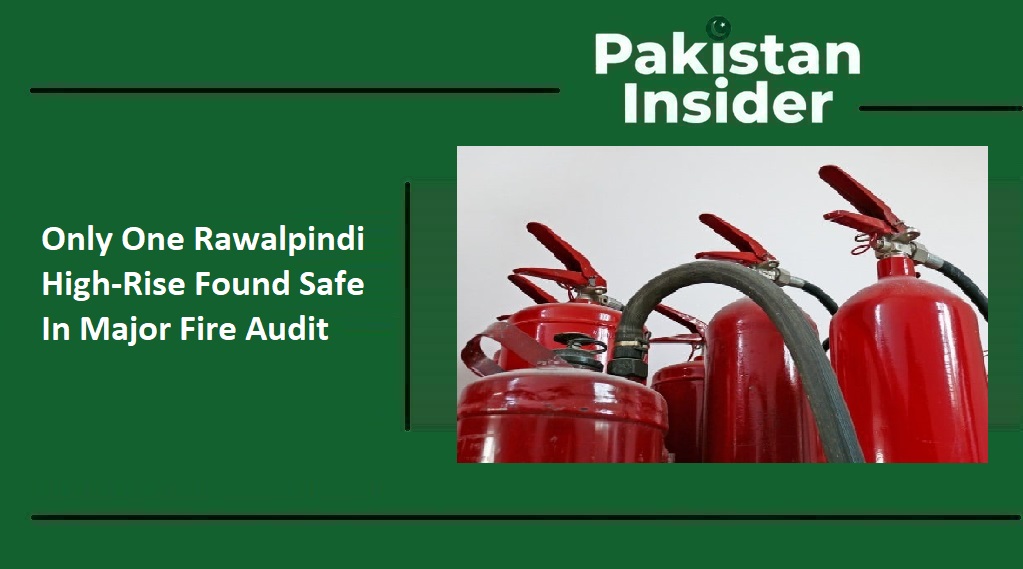
Only One Rawalpindi High-Rise Found Safe In Major Fire Audit
The safety of high-rise buildings in Rawalpindi is now under a bright spotlight. A major inspection by the Punjab government has revealed some very scary facts. Most of the tall buildings where people work and shop do not have the right tools to stop a fire. This fire safety audit was a wake-up call for everyone in the city. Out of 163 tall buildings checked, only one single building met all the official safety rules. This means that thousands of people enter buildings every day that might not be prepared for an emergency.
Key Highlights
- A recent fire safety audit in Rawalpindi found that only one out of 163 high-rise buildings is fully safe.
- Over 150 commercial structures are currently classified as completely unsafe for residents and workers.
- Building owners have until February 28 to install proper fire prevention systems or face legal action.
- The Punjab government ordered this inspection to prevent tragedies like the recent deadly fires in other cities.
- Authorities will seal any building that does not meet the mandatory safety standards after the deadline.
The Shocking Results of the Fire Safety Audit
The Emergency Services Department, also known as Rescue 1122, shared the data from this check. They looked at 163 buildings to see if they followed the Community Safety Building Regulations. The experts put these buildings into three groups based on how safe they are. The results were not good for the city. Only one building was placed in Category A. This means it has a complete fire safety system that works automatically. This is the only building that the government calls fully safe.
The rest of the buildings failed the test. Eleven buildings were put into Categories B and C because their systems were not finished. However, the most worrying part is that 151 buildings were put in Category C. These buildings are completely unsafe. They do not have the basic tools needed to save lives during a fire. This report shows that a huge majority of the city’s tall structures are at high risk.
Why the Government is Taking Action
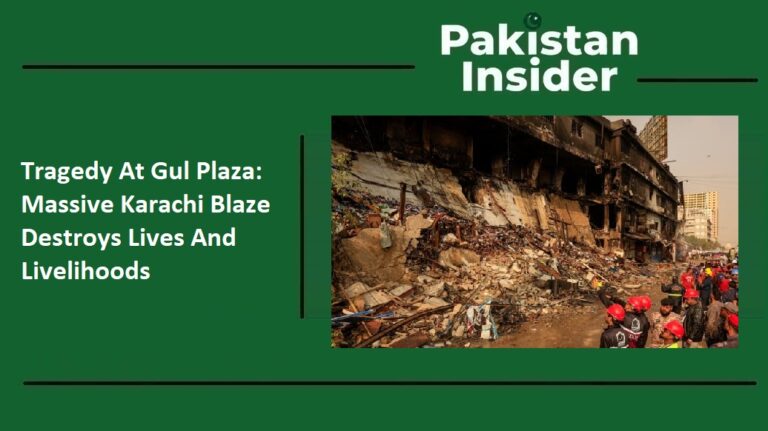
The Punjab government ordered this audit because of a tragedy in Karachi. A big fire at Gul Plaza killed many people and left others missing. To stop this from happening in Rawalpindi, Chief Minister Maryam Nawaz demanded a strict check of all high-rise buildings. The goal is to make sure that public safety comes first. The audit found that many buildings lack emergency exits and smoke exhaust systems. Without these, it is very hard for people to escape if a fire starts. Most of these places also lack fire detection mechanisms that can alert people immediately.
Deadlines and Strict Penalties for Owners
The government is not just finding problems. They are also demanding solutions. The Rawalpindi Development Authority, or RDA, has sent notices to the owners of these unsafe buildings. The Director General of the RDA, Kinza Murtaza, has been very clear about the rules. Owners must install the required fire safety equipment by February 28. This gives them a short time to fix the issues. If they do not follow these orders, the government will seal the buildings. This means the businesses will be closed until they make the building safe for the public.
The Rising Number of Fire Incidents
Looking at the history of the city shows why these rules are so important. Last year alone, there were 1,712 fire incidents reported in Rawalpindi. These fires caused four deaths and over a hundred injuries. Rawalpindi is now the third highest city in Punjab for fire accidents. While Rescue 1122 is very fast and usually arrives in less than eight minutes, they cannot do it all alone. Buildings must have their own internal safety systems to stop small fires from becoming big disasters.
Understanding the Rules for High-Rise Buildings
Building a tall structure requires many permissions. The Municipal Corporation approves the plans for smaller commercial buildings. However, the RDA manages the high-rise buildings. Before any construction starts, owners must get a No Objection Certificate or NOC. This certificate must come from the Environment Department, Civil Defence, and Rescue 1122. These groups check to see if the building plan is safe. Even with these rules, many buildings were built without following the proper safety codes. Now, the government is making sure everyone follows the law to protect the citizens of Rawalpindi.
In the coming weeks, we will see if building owners take these warnings seriously. The safety of the community depends on proper fire prevention. Having working fire extinguishers, clear exit paths, and smoke alarms can save lives. The February deadline is a critical date for the future of urban safety in the city. Everyone hopes that these changes will make Rawalpindi a much safer place to live and work.