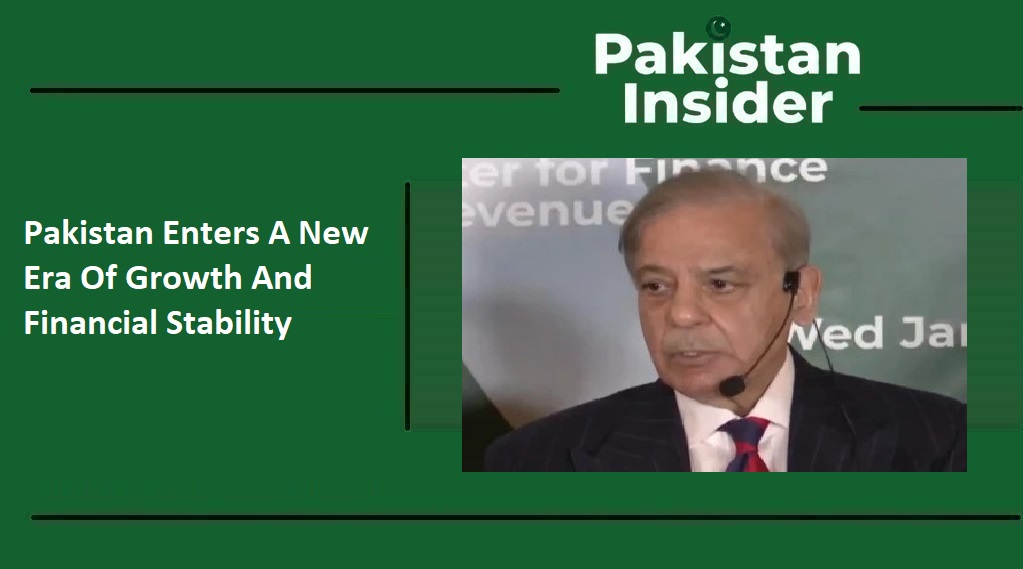
Pakistan Enters A New Era Of Growth And Financial Stability
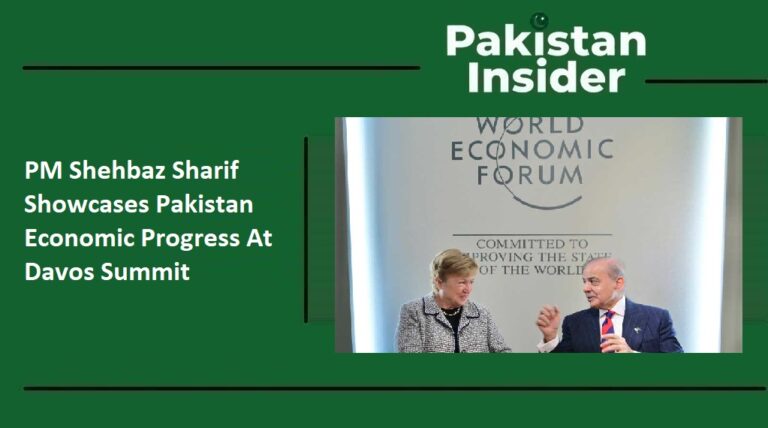
Pakistan is entering a new era of growth and stability. The country is showing strong signs of recovery after a long period of struggle. Recently, Prime Minister Shehbaz Sharif shared this positive news with global leaders. He spoke at the World Economic Forum to explain how the nation is changing for the better. The message was clear. Pakistan is moving toward a stable and bright future. The government is working hard to fix old problems and build a modern economy that works for everyone.
Key Highlights
- Inflation rates have dropped from 30 percent to a low of 5.5 percent.
- The policy rate was reduced from 22.5 percent to 10.5 percent to help businesses.
- IT exports have reached a record high of 3 billion dollars every year.
- The tax-to-GDP ratio increased from 9 percent to 10.5 percent through new reforms.
- Major state companies like Pakistan International Airlines are being privatized to save money.
The Prime Minister highlighted that the country is moving forward with a fresh sense of hope. He met with many business experts and community leaders. During these meetings, he explained that the economic indicators of Pakistan are now very reassuring. This means the basic parts of the economy are healthy again. For a long time, high prices made life difficult for many people. Now, the government has managed to bring those prices down. This change helps families afford what they need and allows businesses to plan for the future.
Big Improvements in Financial Stability
One of the biggest wins for the government is the massive drop in inflation. Not long ago, prices were rising by 30 percent. Today, that number has fallen to just 5.5 percent. This is a huge relief for the common citizen. At the same time, the central bank has lowered the interest rates. When interest rates are low, it is cheaper for companies to borrow money. This leads to more factories, more jobs, and more products for the country. These steps are part of a larger plan to keep the Pakistan economy steady and strong.
Building a Better Tax System
The government is also fixing how it collects money. They have started using digital tools to track taxes. This makes the system more honest and efficient. Because of these changes, the tax-to-GDP ratio has gone up. This gives the government more money to spend on schools, hospitals, and roads. Finance Minister Muhammad Aurangzeb said that these fiscal reforms are like a breath of fresh air. He mentioned that while things are better, the work must continue. The goal is to make sure everyone pays their fair share to help the nation grow.
Focusing on Technology and Exports
Pakistan is no longer just looking at traditional business. The Prime Minister talked about the importance of export-led growth. This means selling more goods and services to other countries. The information technology sector is leading the way. IT exports have grown quickly and now bring in 3 billion dollars every year. This is great news for the many young people in the country who are good with computers. The government is also looking into artificial intelligence and cryptocurrency to stay ahead in the modern world.
Empowering the Youth
Pakistan has a very large population of young people. This can be a challenge, but it is also a great opportunity. To help them, the government is expanding vocational training. These programs teach students real skills like coding, engineering, and modern farming. By training the youth, Pakistan is preparing a workforce that can compete with the rest of the world. This focus on skills development ensures that the next generation has the tools they need to succeed in a global market.
Privatization and Saving Public Money
Another major step is the privatization process. The government is selling companies that were losing a lot of money. For example, Pakistan International Airlines was sold to a private owner. The process was done in a way that everyone could see it was fair. The government also plans to let private companies run some airports and power plants. By closing down units that do not make a profit, the state can save billions of rupees. This money can then be used for public welfare instead of covering business losses.
Deputy Prime Minister Ishaq Dar also shared his thoughts on this economic journey. He reminded people that Pakistan has seen great growth before and can do it again. He believes the country is now on a clear path to success. With the support of international partners like China and the United States, new doors are opening. Pakistan is talking to the world and showing that it is a safe place for foreign investment. The road ahead looks promising as the country continues to reform and grow.