
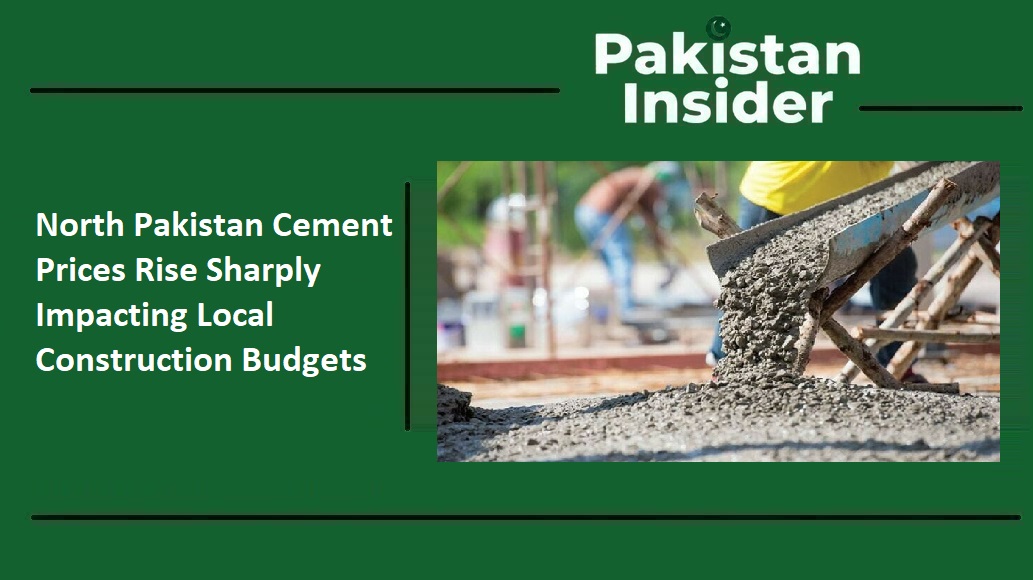
North Pakistan Cement Prices Rise Sharply Impacting Local Construction Budgets
People building houses in North Pakistan are facing a big problem today. The cost of cement has gone up suddenly. This change is making many people worried about their money. If you are planning to build a home or a shop, you might need to spend more than you thought. This news is very important for builders, workers, and families who want to own a house.
Key Highlights
- Cement prices in the North region have increased by Rs35 to Rs50 per bag.
- The new prices started working on January 20, 2026.
- Both wholesale and retail rates have been changed by local dealers.
- Higher costs will affect ongoing housing projects and big government buildings.
- Builders and contractors are now worried about their total construction budgets.
The construction market in North Pakistan just got a big shock. For a long time, people were hoping for lower prices. Instead, the price of a single bag of cement went up by a lot. Dealers in the area say the increase is between Rs35 and Rs50. This might not seem like much for one bag. But when you buy hundreds of bags for a house, the total cost adds up very fast.
The Impact on Local Construction Projects
Many people are currently building their dream homes. These families usually have a fixed amount of money to spend. When building material prices go up, these families get stuck. They might have to stop building or borrow more money. This is not just about small houses. Big projects like schools, bridges, and offices also use a lot of cement. Their costs will also go up because of this price hike.
Contractors are also feeling the pressure. Most contractors agree on a price before they start working. Now that cement rates are higher, they might lose money. They have to talk to the owners again to ask for more funds. This can lead to delays in finishing the work. In some cases, work might even stop completely until prices become stable again.
Why the North Region is Affected
The North region of Pakistan is a very busy place for building. Many new housing societies are opening there. Because there is so much building going on, the demand for cement is always high. When prices go up in this specific area, it affects a huge number of people. Dealers in these cities have already started selling cement at the new, revised rates. They say they had to do this because the factories increased the prices first.
It is important to know that these prices took effect immediately. As of January 20, 2026, every new truck leaving the factory carries the higher price tag. This means there was no time for builders to buy extra stock at the old price. The supply chain moved very fast to change the costs for everyone.
What This Means for Home Buyers
If you want to buy a house that is still being built, you might pay more now. Developers often pass these extra costs to the buyers. This makes real estate more expensive for the average person. The cost of bricks, sand, and steel are already high. Adding more to the cement price makes it even harder for a common man to own a home.
Experts say that cement is the most important part of any building. It holds everything together. You cannot build a strong structure without it. That is why everyone watches these prices so closely. When cement gets expensive, the whole construction industry feels the pain.
Future Outlook for the Market
Many people are asking if the prices will come down soon. Right now, it is hard to say. The market trends show that once prices go up, they stay there for a while. Builders need to be very careful with their money right now. It is a good idea to talk to wholesale dealers to see if there are any discounts for big orders. However, most people will just have to pay the new market rate.
In conclusion, the sharp increase in cement prices is a major event for North Pakistan. It changes how people plan their buildings. If you are in the middle of a project, you should check your budget again. Staying informed about daily rates is the best way to manage your costs during this time. The construction sector will need to find ways to handle these higher expenses to keep the industry moving forward.